Tank purging is a process used to remove hazardous gases, vapours, residues, and contaminants from tanks, vessels, pipelines, and confined spaces before maintenance, inspection, cleaning, repair, or decommissioning can take place.
Industries including oil and gas, petrochemicals, utilities, manufacturing, waste management, and environmental services routinely undertake tank purging operations to ensure safe access and minimise risks to personnel and the surrounding environment.
Effective tank purging requires careful planning, appropriate control measures, and specialist equipment to manage air quality, ventilation, contamination, and worker safety throughout the project.
Why Is Tank Purging Necessary?
Over time, tanks and vessels can contain residual materials that create hazardous conditions, including:
Before personnel can safely enter or work around tanks, these hazards must be assessed and controlled through appropriate cleaning, ventilation, and purging procedures.
Common Tank Purging Applications
Whether the objective is maintenance, inspection, refurbishment, or decommissioning, controlling atmospheric hazards is a key requirement.
Ventilation and Air Movement During Tank Purging
One of the most important aspects of tank purging is achieving adequate ventilation.
Removing hazardous gases and introducing fresh air helps create safer conditions for workers and supports confined space entry procedures where required.
Fans and Blowers
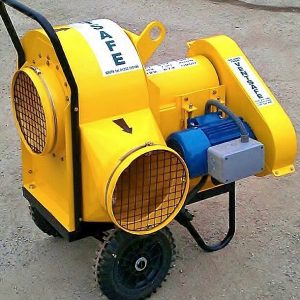
Portable fans and blowers are widely used to supply fresh air or extract contaminated air from tanks, vessels, and confined spaces.
Benefits include:
Centrifugal blowers are particularly effective where long duct runs or challenging access conditions are involved.
Flexible Ducting Systems
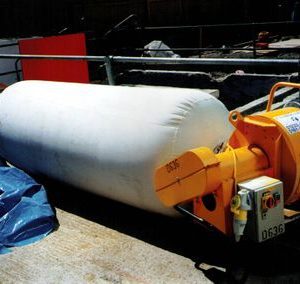
Flexible ducting enables airflow to be directed where it is needed within tanks, vessels, and enclosed structures.
This helps improve ventilation efficiency and supports effective purging.
Managing Airborne Contaminants
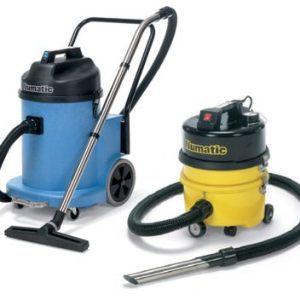
Cleaning and maintenance activities can generate airborne dust, residues, and particulates that require control.
Cleaning and Residue Removal
Many tank purging projects require the removal of sludge, liquids, and accumulated residues before inspection or maintenance can begin.
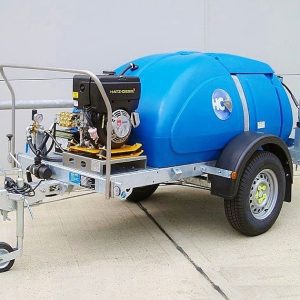
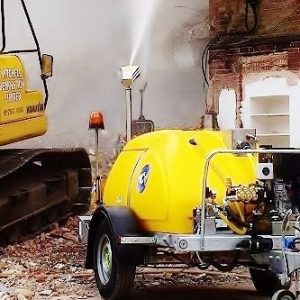
Pressure Washers
Self-contained units are particularly valuable where water and power supplies are limited.
Worker Protection and Site Safety
Tank purging often involves confined spaces with potentially hazardous materials, making worker safety a primary consideration.
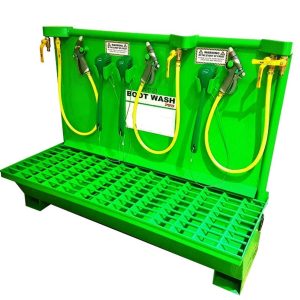
Safety Showers and Eyewash Stations
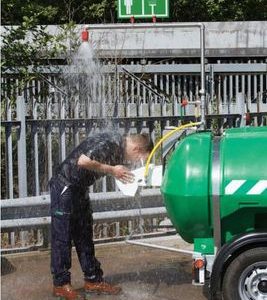
Where workers may encounter chemicals, fuels, or hazardous substances, emergency safety showers provide an important first stage decontamination.
Portable safety showers and eyewash stations can be deployed to temporary work areas and remote locations.
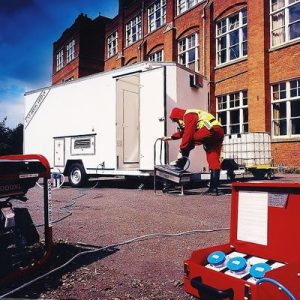
Hygiene/Decontamination Units
Decontamination shower facilities offer a controlled environment for personnel to clean themselves, remove PPE, and maintain site hygiene procedures. They can also serve as a second stage decontamination facility when used in conjunction with an emergency safety shower.