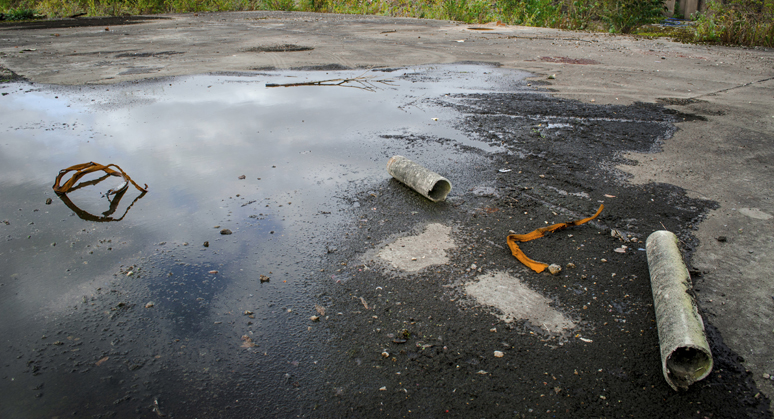
Contaminated land presents a range of challenges for contractors, developers, environmental consultants, and remediation specialists. Former industrial sites, brownfield developments, landfill locations, fuel storage facilities, and manufacturing premises can all contain hazardous substances that pose risks to workers, communities, and the environment.
Common contaminants found on UK remediation projects include:
Before redevelopment or construction can begin, contaminated land often requires investigation, management, and remediation to reduce risks and ensure the site is suitable for its intended use.
The Challenges of Contaminated Land Projects
Remediation works frequently involve excavation, material handling, demolition, soil treatment, and waste management activities that can disturb contaminants and create airborne dust, vapours, or contaminated run-off.
Without control measures, contaminants can spread beyond the work area through:
Equipment Commonly Used on Contaminated Land Sites
Water Misting Cannons
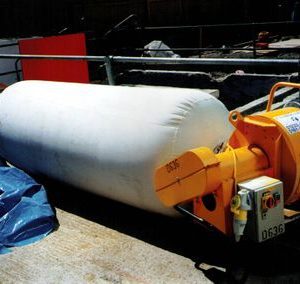
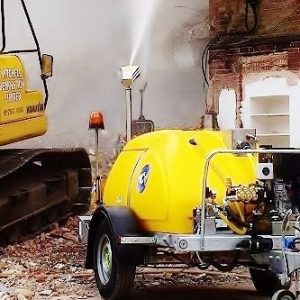
Dust suppression is a key requirement on many remediation projects. Water misting cannons help suppress airborne dust generated from excavation, crushing, stockpiling, and material handling activities.
By reducing airborne particulates at source, misting systems help improve air quality and minimise dust migration beyond site boundaries.
Air Scrubbers and Dust Filtration Units
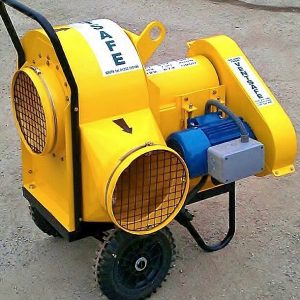
Where remediation activities take place within enclosed structures, HEPA-filtered air scrubbers can help capture airborne particulates and maintain cleaner working conditions.
These systems are particularly useful where contaminants have become airborne during remediation operations.
H-Class and HEPA Vacuum Cleaners
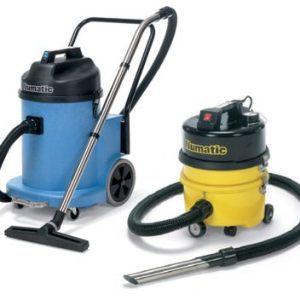
Specialist vacuum cleaners provide safe capture of contaminated dusts and debris during cleaning and remediation activities.
High-efficiency filtration systems capture fine particles while minimising the risk of contaminants being reintroduced into the environment.
Pressure Washers
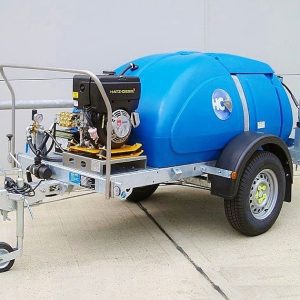
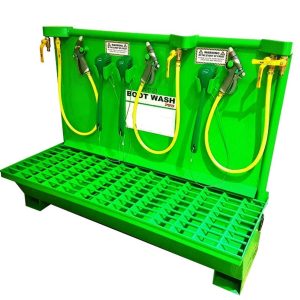
Pressure washers are commonly used to clean plant, vehicles and equipment before materials leave the site.
Cleaning reduces contaminant transfer and supports environmental management procedures.
Hygiene/Decontamination Units
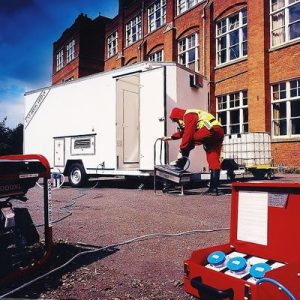
Worker decontamination facilities provide a controlled environment for personnel to remove contaminated PPE and maintain good site hygiene practices.
These units can be particularly important on projects involving hazardous materials, contaminated soils, or asbestos-containing waste.
Safety Showers and Eyewash Stations
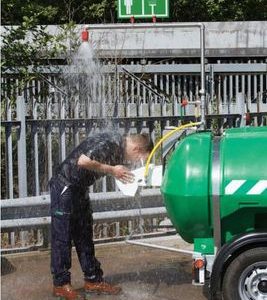
Where workers may be exposed to hazardous chemicals, contaminating liquids, or harmful substances, safety showers and eyewash stations provide an emergency, rapid response, preliminary decontamination.
Protecting Workers and the Environment
Successful contaminated land remediation requires more than excavation and disposal. Effective environmental management depends on controlling contaminants throughout the project lifecycle.
Specialist equipment can help:
Improve community relations by reducing nuisance complaints