Managing pollution is an important part of construction, demolition, industrial, and remediation projects. Activities that generate dust, airborne particulates, contaminated run-off, fumes, or hazardous materials can impact workers, neighbouring properties, local communities, and the environment if not properly controlled.
Effective pollution control measures help organisations meet environmental responsibilities, reduce nuisance complaints, protect natural resources, and maintain compliance with site-specific environmental management plans.
Common Sources of Pollution on Site
Many routine site activities have the potential to generate pollutants, including:
Without suitable control measures, pollutants can spread through the air, water, or surrounding land, creating environmental and operational risks.
Airborne Dust and Particulate Control
One of the most visible pollution challenges on construction and industrial sites is airborne dust.
Dust can be generated through:
Uncontrolled dust can affect neighbouring properties, reduce air quality, create visibility issues, and result in complaints or enforcement action.
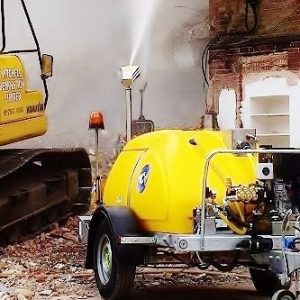
Water Mist Cannons/Jet Misters
Water misting cannons provide a method of suppressing dust at source. Fine water droplets bind with already airborne particles, reducing dust migration and helping maintain cleaner working conditions, while dampening the ground, which inhibits dust generation.
These systems are commonly used on demolition projects, at waste transfer facilities, quarry operations, and large-scale earthworks.
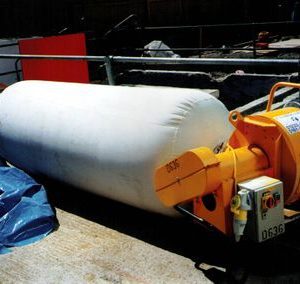
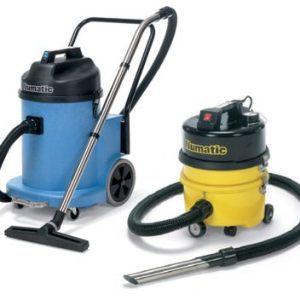
Air Scrubbers and Dust Filtration Units
Air scrubbers and filtration units help remove airborne particulates before they can spread throughout the work area.
HEPA-filtered systems can capture extremely fine particles, helping improve air quality and reduce contamination risks.
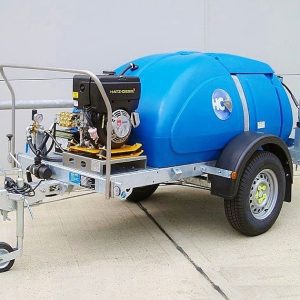
Pressure Washers and Site Cleaning Equipment
Regular cleaning of plant, vehicles, hardstanding areas, and access routes helps minimise contamination transfer and supports good environmental housekeeping practices.
Self-contained pressure washer systems are particularly useful on remote sites where mains water supplies are unavailable.
Worker Protection and Site Hygiene
Pollution control extends beyond environmental protection. Workers operating in potentially contaminated environments require suitable facilities and equipment to minimise exposure risks.
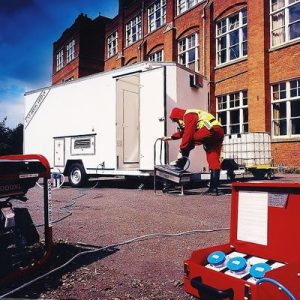
Decontamination Units
Decontamination units provide a controlled environment for workers to remove contaminated clothing and PPE before leaving the work area.
These facilities are commonly used on asbestos, land remediation, and hazardous material projects.
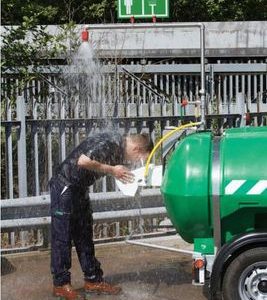
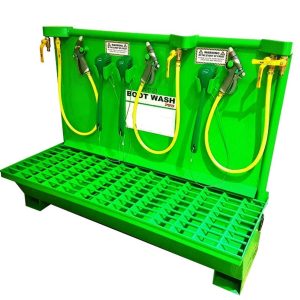
Safety Showers and Eyewash Stations
Where workers may be exposed to chemicals, fuels, or hazardous substances, emergency shower facilities provide an important layer of protection.
Ventilation and Air Movement
Certain industrial processes and confined space operations can generate fumes, vapours, and airborne contaminants that require active management.
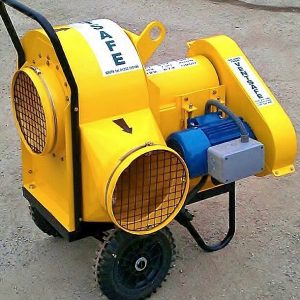
Fans, Blowers, and Extraction Equipment
Ventilation systems help improve air movement, extract fumes, and maintain safer working environments. When used alongside filtration systems, they can form part of a comprehensive pollution control strategy.